

Storytelling and the Sciences of Mind
Product details
| Management number | 231872528 | Release Date | 2026/06/18 | List Price | US$10.00 | Model Number | 231872528 | ||
|---|---|---|---|---|---|---|---|---|---|
| Category | |||||||||
An transdisciplinary exploration of narrative not just as a target for interpretation but also as a means for making sense of experience itself.With Storytelling and the Sciences of Mind, David Herman proposes a cross-fertilization between the study of narrative and research on intelligent behavior. This cross-fertilization goes beyond the simple importing of ideas from the sciences of mind into scholarship on narrative and instead aims for convergence between work in narrative studies and research in the cognitive sciences. The book as a whole centers on two questions: How do people make sense of stories? And: How do people use stories to make sense of the world? Examining narratives from different periods and across multiple media and genres, Herman shows how traditions of narrative research can help shape ways of formulating and addressing questions about intelligent activity, and vice versa.Using case studies that range from Robert Louis Stevenson's Dr Jekyll and Mr Hyde to sequences from The Incredible Hulk comics to narratives told in everyday interaction, Herman considers storytelling both as a target for interpretation and as a resource for making sense of experience itself. In doing so, he puts ideas from narrative scholarship into dialogue with such fields as psycholinguistics, philosophy of mind, and cognitive, social, and ecological psychology. After exploring ways in which interpreters of stories can use textual cues to build narrative worlds, or storyworlds, Herman investigates how this process of narrative worldmaking in turn supports efforts to understand—and engage with—the conduct of persons, among other aspects of lived experience. Read more
Bestseller ranking
Human Rights




Customers who viewed this product also viewed
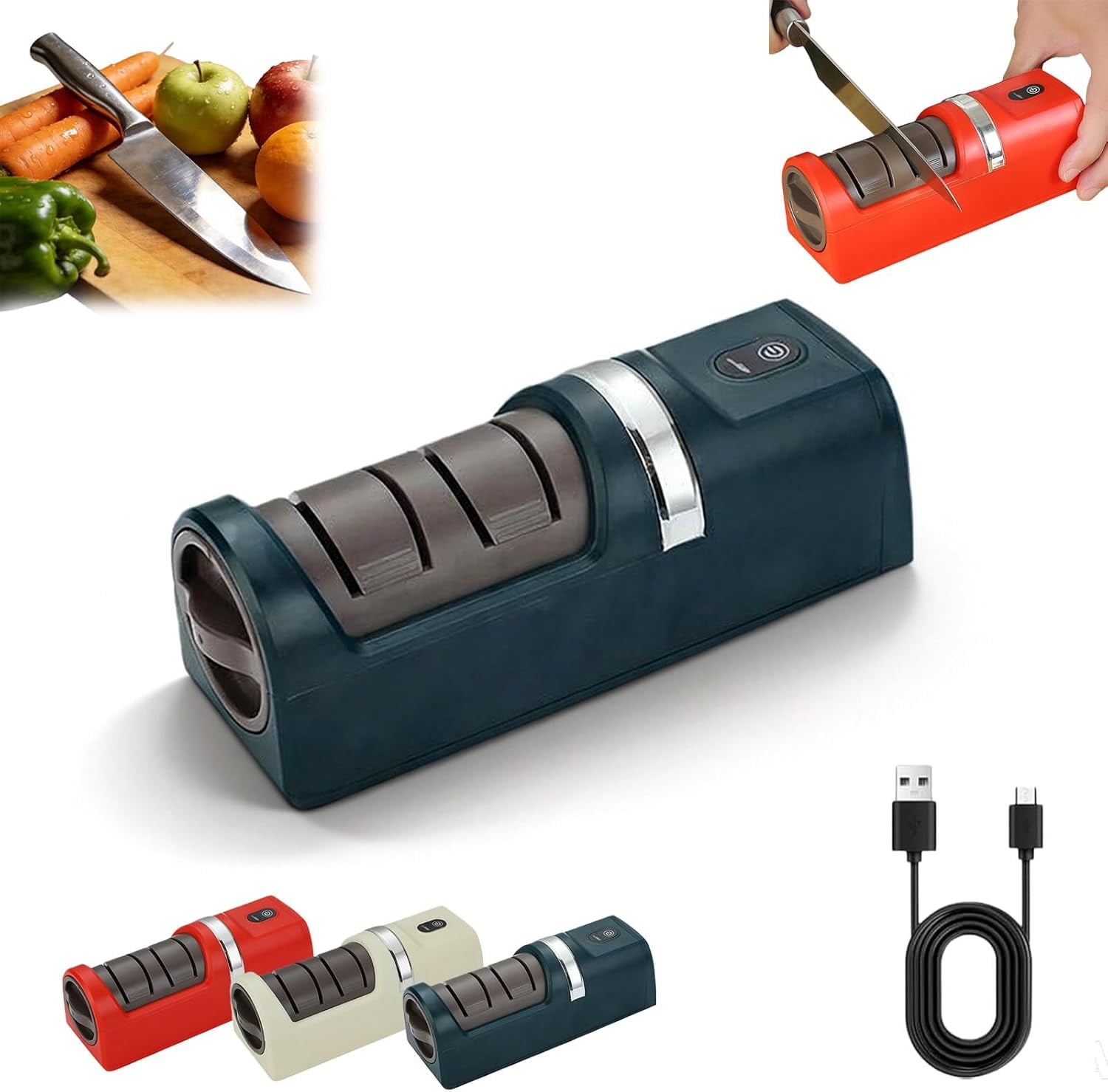
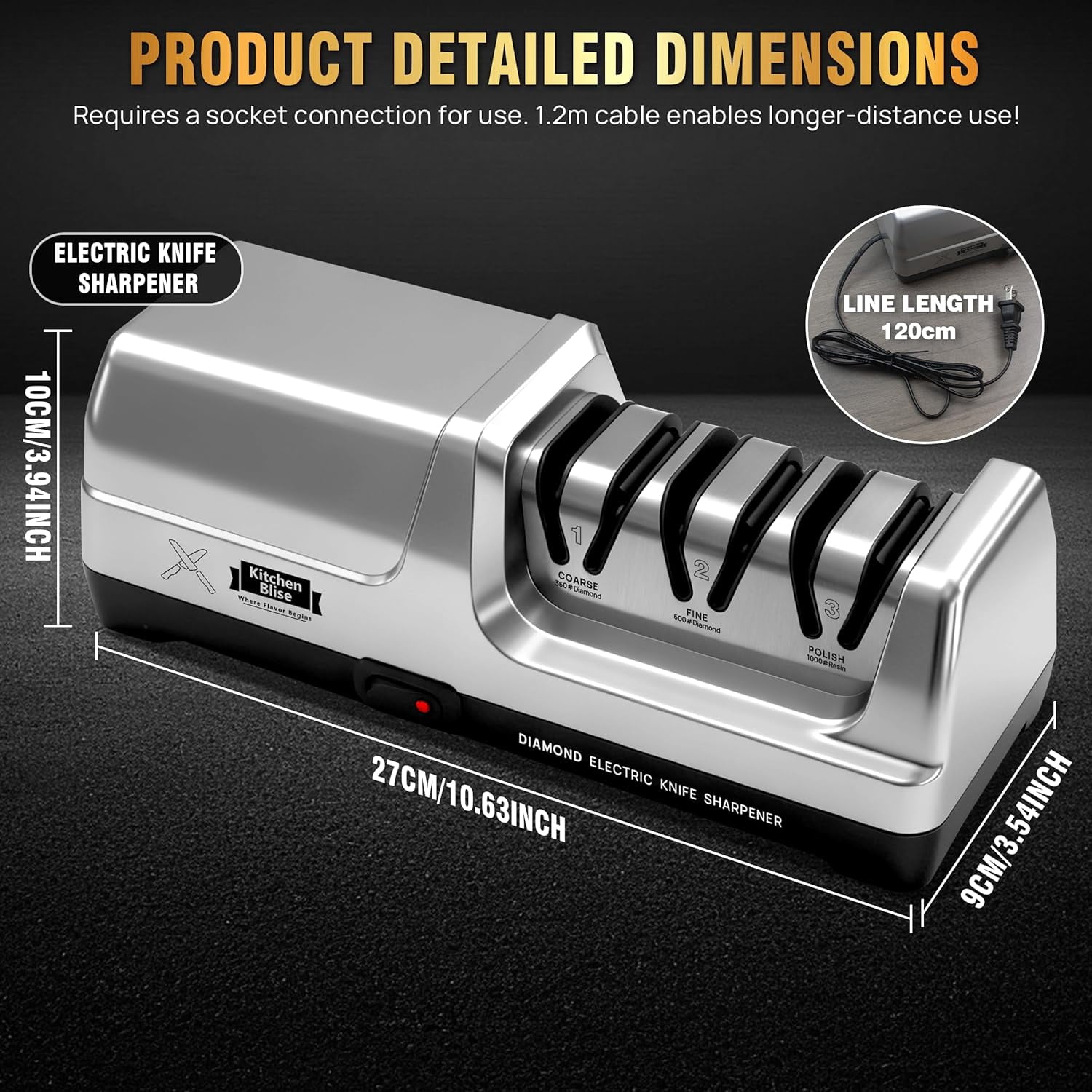
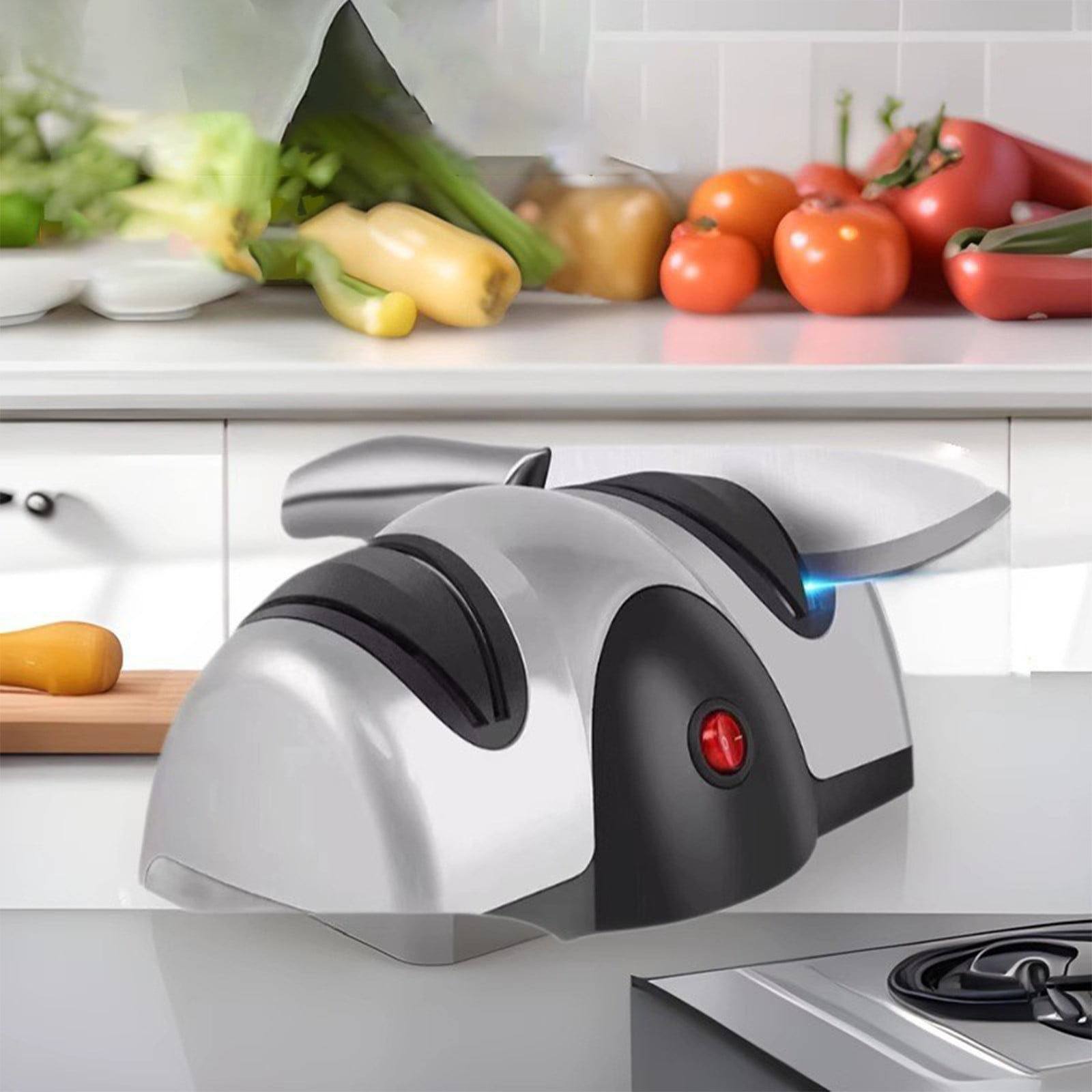
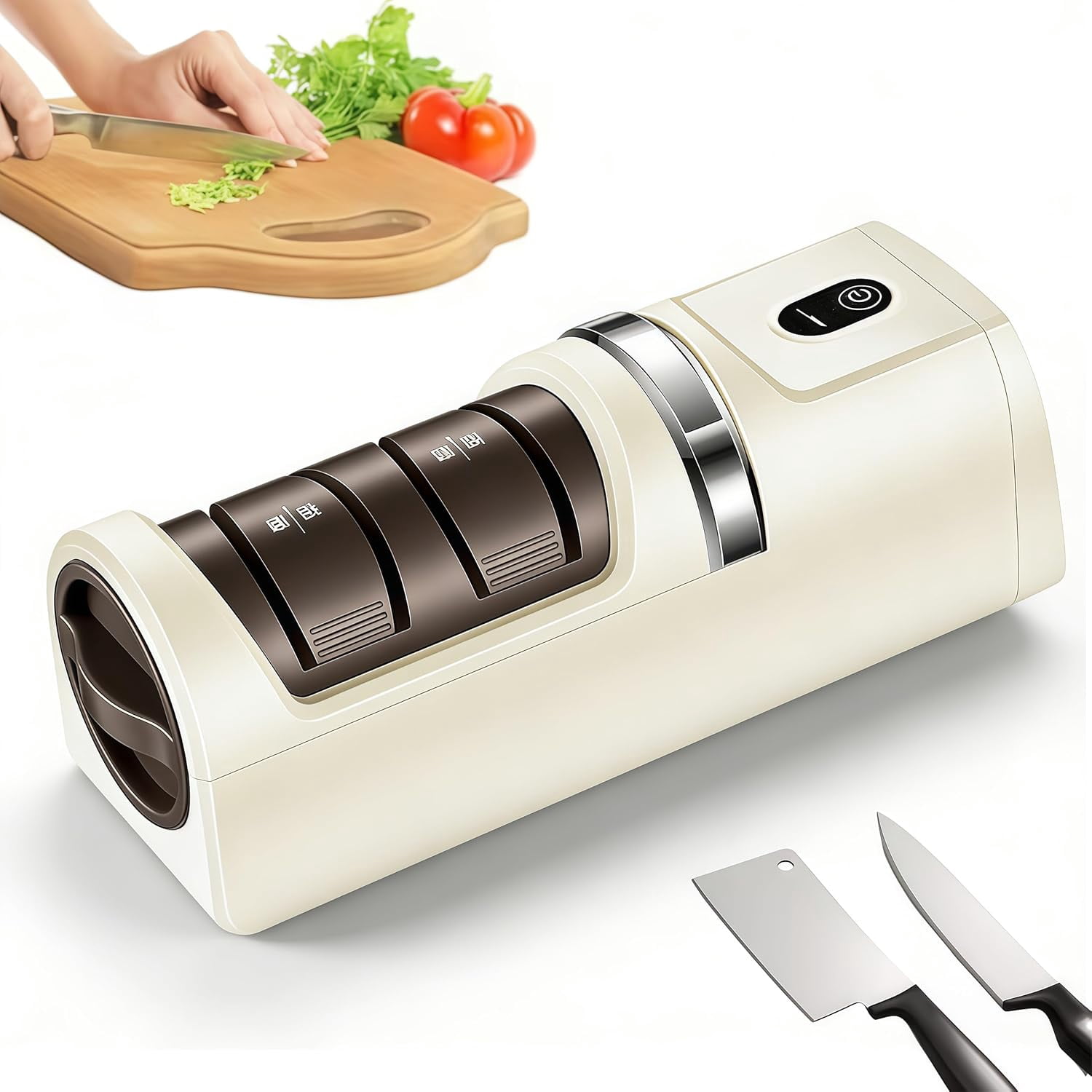
Electric Knife Sharpeners


Correction of product information
If you notice any omissions or errors in the product information on this page, please use the correction request form below.
Correction Request Form